UK Unemployment Falls to 4.6%: Pay Slows, Vacancies Hit 12-Year Low
UK unemployment fell to 4.6% in July-September as pay growth slowed to 3.5% and vacancies dropped to 690,000, the lowest outside the pandemic since 2014.

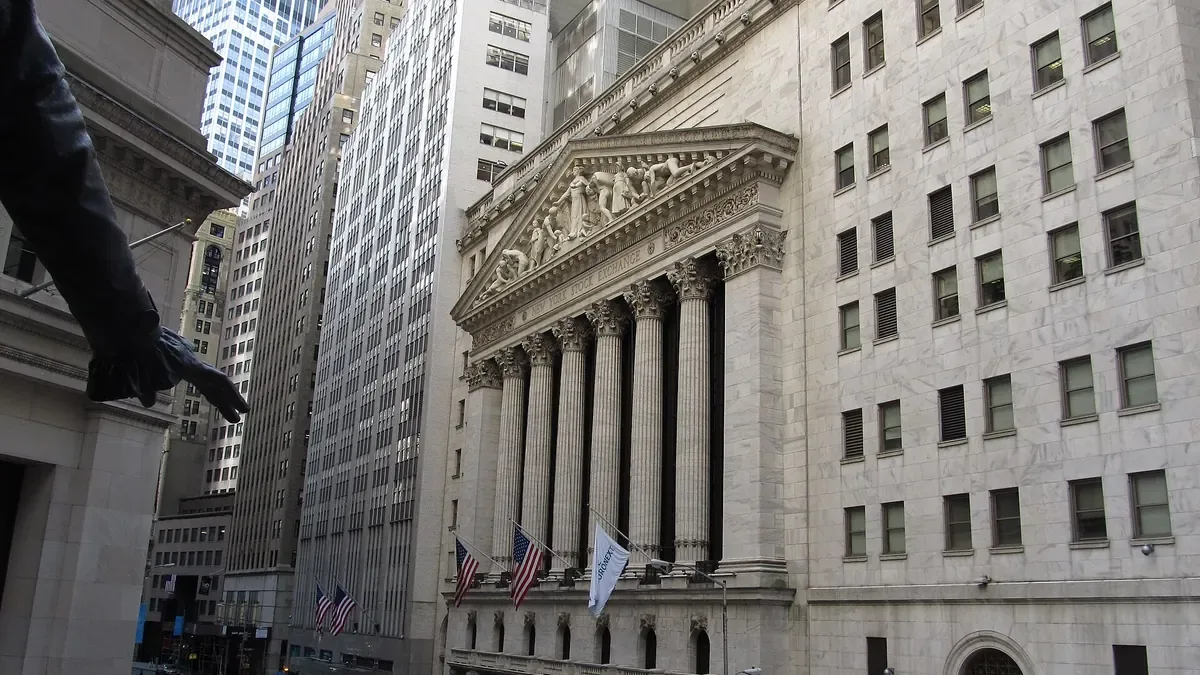
Image: Wikimedia Commons / mattbuck, CC BY-SA 4.0
London, Tuesday 17 November 2026 — The UK unemployment rate fell to 4.6% in the three months to September, the Office for National Statistics said on Tuesday, as pay growth slowed and vacancies dropped to their lowest outside the pandemic in more than a decade.
The rate beat the 4.7% economists expected and the 4.7% recorded in the three months to August. The figures land a month before the Bank of England's next rate decision on 17 December, and a day before October inflation data.
Key Takeaways
- Unemployment fell to 4.6% in July to September, down 0.3 points on the year and below the 4.7% consensus.
- Regular pay growth slowed to 3.5% and total pay to 3.6%; private-sector pay grew 3.1%.
- Vacancies fell to 690,000, down 22,000 on the quarter, the lowest outside the pandemic since 2014.
- Payrolled employees fell 67,000 on the year; the Claimant Count rose to 1.714 million.
UK Unemployment Rate 4.6%: What the November 2026 Jobs Figures Show
The Office for National Statistics put unemployment for people aged 16 and over at 4.6% in July to September, down 0.3 points on the year. Employment for people aged 16 to 64 was 75.4%, up 0.4 points on the year, and economic inactivity was 20.8%, down 0.1 points. The figures are in the statistics office's Labour market overview for November 2026.
Payroll data told a weaker story. Payrolled employees fell by 67,000 in the year to September, and the October estimate showed a fall of 95,000 on the year, to 30.2 million. The Claimant Count rose to 1.714 million in October. The statistics office cautioned that the survey movements partly reflect Labour Force Survey sample rotation.
UK Pay Growth Slows to 3.5%: What It Means for Workers and the Bank of England
Regular earnings, excluding bonuses, grew 3.5% a year in July to September, down from 3.7%. Total earnings grew 3.6%, down from 3.8% and the slowest since 2020. Regular pay rose 5.4% in the public sector and 3.1% in the private sector. After inflation, real regular pay grew 0.2% on the CPIH measure and 0.4% on CPI.
Bank Rate stands at 4.00% after the 5 November rise, and the Monetary Policy Committee next decides on 17 December. Rate-setter Clare Lombardelli said on Monday the market is cooling through weaker hiring rather than job losses. October inflation data, due Wednesday, will test that reading. See our report on Lombardelli's December rate-hike signal.
UK Vacancies Fall to 690,000: Which Sectors Are Cutting Hiring?
Vacancies fell by 22,000, or 3.0%, to 690,000 in August to October, and were down 37,000, or 5.0%, on the year. Outside the pandemic, the last time there were so few was July to September 2014. Vacancies fell in 11 of 18 sectors, with administration, construction and transport each down 5,000.
Small firms are cutting back hardest: vacancies at businesses with one to nine employees fell 22,000 to 73,000, the lowest outside the pandemic since 2012. The statistics office said smaller firms report that higher labour and operating costs are holding back hiring. See the wider cost pressures on households and employers.
| Indicator | Latest figure | Change |
|---|---|---|
| Unemployment rate (Jul-Sep) | 4.6% | Down 0.3 points on the year |
| Employment rate (Jul-Sep) | 75.4% | Up 0.4 points on the year |
| Vacancies (Aug-Oct) | 690,000 | Down 22,000 on the quarter |
| Regular pay growth | 3.5% | Down from 3.7% |
| Total pay growth | 3.6% | Down from 3.8% |
| Claimant Count (Oct) | 1.714 million | Up on the month and the year |
Frequently Asked Questions
What is the UK unemployment rate in November 2026?
It was 4.6% in the three months to September 2026, the Office for National Statistics said on 17 November, down 0.3 points on the year and below the 4.7% economists forecast.
How much is UK pay growing in November 2026?
Regular pay grew 3.5% a year in July to September, down from 3.7%, and total pay grew 3.6%. Private-sector pay grew 3.1% and public-sector pay 5.4%.
Why are UK job vacancies falling?
Vacancies fell to 690,000 in August to October, the lowest outside the pandemic since 2014. Smaller firms cite higher labour and operating costs, with the sharpest falls at businesses with one to nine employees.
When will the Bank of England next decide on interest rates?
The Monetary Policy Committee next decides on 17 December, after raising Bank Rate to 4.00% on 5 November. October inflation figures are due on Wednesday 18 November.
The Bank of England's 17 December rate decision is the next milestone for borrowers and savers.