NASA to Fly First Space Crops to ISS: Launch Date, Cargo & Experiments
NASA's NG-25 cargo flight lifts off Sunday carrying the first operational space crop system and lab-grown brain tissue to the International Space Station.
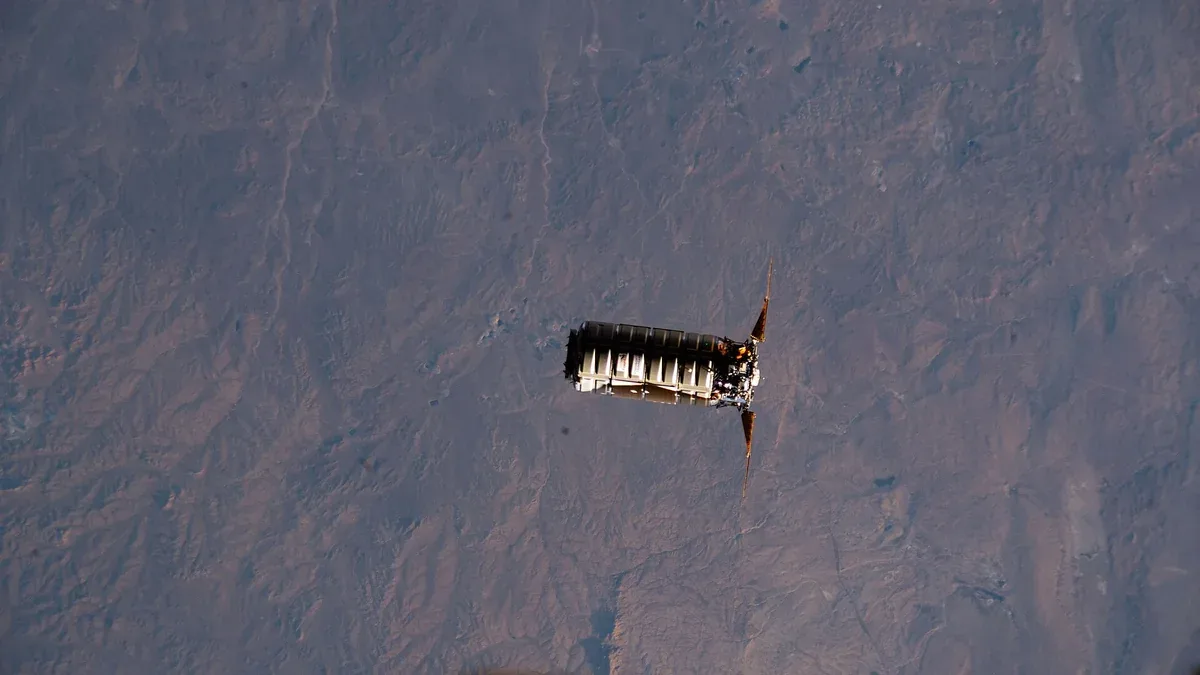
Image: Wikimedia Commons / NASA/Expedition 73
CAPE CANAVERAL, Florida — NASA will send the first operational crop production system ever flown in space to the International Space Station on Sunday, along with lab-grown human brain tissue, aboard Northrop Grumman's 25th commercial resupply mission. The Cygnus XL spacecraft is set to lift off on a SpaceX Falcon 9 rocket at 10:47 a.m. EST on November 29 from Space Launch Complex 40 at Cape Canaveral Space Force Station in Florida, carrying about 11,000 pounds of cargo.
NASA announced the experiments on November 27, saying the flight carries two investigations from its Biological and Physical Sciences Division: a prototype growth chamber, Ohalo III, and a precision health experiment, AVATAR-Org4.
Key Takeaways
- NG-25 launches at 10:47 a.m. EST on Sunday, November 29, on a SpaceX Falcon 9 from Cape Canaveral.
- Cygnus XL carries about 11,000 pounds of cargo, including Ohalo III and the AVATAR-Org4 brain tissue experiment.
- Jessica Watkins and Luke Delaney will capture Cygnus with Canadarm2 on Tuesday, December 1.
- The spacecraft, S.S. James "Jim" A. Lovell, stays at the station until May 2027.
What Is the Ohalo III Space Crop System?
Ohalo III is the first operational crop production system in space, NASA said. The technology demonstration will test whether plants can be grown reliably in microgravity, validating its water delivery and volume optimization technology. The work will test productivity, nutrition, safety, and reliability for self-regenerating crops, a step crews will need on trips to the Moon and Mars. A NASA image shows red romaine lettuce, Twiggy Orange tomato, Prospera basil, Amara mustard, and Mizuna mustard growing in its multi-cropping feature.
How Does the AVATAR-Org4 Brain Experiment Work?
The second headline experiment is a precision health investigation that NASA calls the next step toward long-duration studies of human brain tissue in space. It builds on an earlier flight of miBrains, small lab-grown models of the human brain, to the station. AVATAR-Org4 will test a miniature fluid-handling system that mixes, delivers, and maintains the nutrient-rich liquid needed to keep the tissues alive. The miBrains are three-dimensional tissues of several types of human brain cells, according to NASA. It could help identify neurological risks linked to spaceflight and protect astronaut health.
When Does NG-25 Launch and Dock With the ISS?
Mission managers polled go on Friday, NASA said. Early forecasts gave a 60 percent chance of favorable conditions, with thick clouds the main concern. The next launch chance, if Sunday's attempt does not go ahead, is 10:24 a.m. on Monday, November 30. After liftoff, Watkins and Delaney will use Canadarm2 to capture Cygnus XL on Tuesday, December 1, for installation on the Unity module. The spacecraft will remain at the station until May 2027, then depart with disposal items and burn up on re-entry. Northrop Grumman has delivered over 169,000 pounds to the station since 2013.
| Item | Detail |
|---|---|
| Target launch | 10:47 a.m. EST, Sunday, November 29, 2026 |
| Rocket and pad | Falcon 9, SLC-40, Cape Canaveral |
| Cargo | About 11,000 pounds |
| Spacecraft | Cygnus XL, S.S. James "Jim" A. Lovell |
| Capture | Canadarm2, December 1, 2026 |
| Stay at station | Until May 2027 |
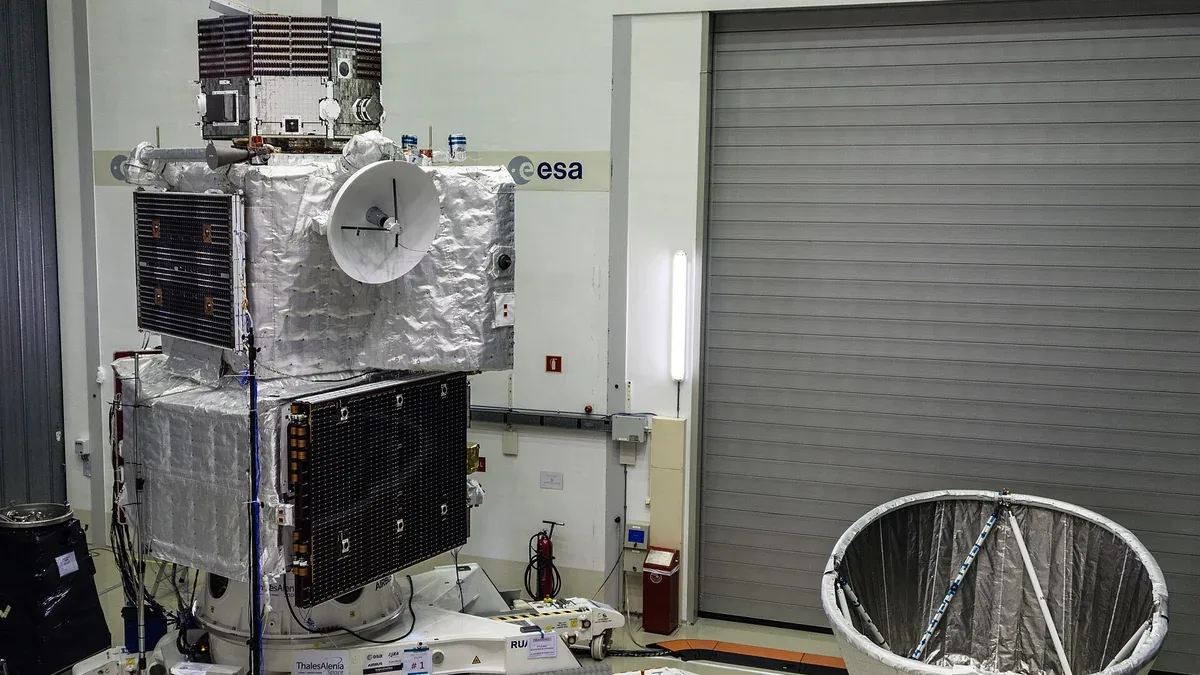
It follows a busy year for space science: BepiColombo entered orbit around Mercury in November, and the Federal Communications Commission cleared SpaceX to operate up to one million orbital AI satellites.
Frequently Asked Questions
When does NASA's NG-25 mission launch to the International Space Station?
Launch is targeted for 10:47 a.m. EST on Sunday, November 29, 2026, from Cape Canaveral. NASA's live coverage begins at 10:25 a.m. on NASA+, and the backup chance is 10:24 a.m. on Monday, November 30.
What crops will the Ohalo III system grow on the space station?
Ohalo III is a technology demonstration, not a harvest for crew meals. A NASA image shows red romaine lettuce, Twiggy Orange tomato, Prospera basil, Amara mustard, and Mizuna mustard growing together in its multi-cropping feature.
Why is NASA sending lab-grown brain tissue to space?
The AVATAR-Org4 experiment tests a miniature fluid-handling system that keeps lab-grown human brain tissue, called miBrains, alive in orbit. It will help identify neurological risks from long spaceflight and improve models for studying neurological disease on Earth.
How can I watch the NG-25 launch live?
NASA will stream launch coverage on NASA+ from 10:25 a.m. EST on Sunday, November 29, about 20 minutes before the targeted 10:47 a.m. liftoff. The agency will also carry updates on its space station blog.
The next milestone is capture on December 1, when Watkins and Delaney use Canadarm2 to berth Cygnus to the Unity module.